Frequently Asked Questions
None - No relevant questions provided?
No relevant questions have been provided, indicating a lack of specific inquiries about the TacoTime franchise opportunity. For more information, potential buyers are encouraged to reach out directly for assistance.
What are Taco Times best-selling menu items?
TacoTime's best-selling menu items include their signature tacos, fresh burritos, and crispy nachos, all known for their authentic flavors and quality ingredients that keep customers coming back for more.
How can I franchise a Taco Time location?
Franchising a Taco Time location involves contacting the franchise team to obtain the necessary information about requirements, financial qualifications, and application procedures. Interested parties should be prepared to discuss their business experience and financial capabilities.
What makes Taco Time Delta unique?
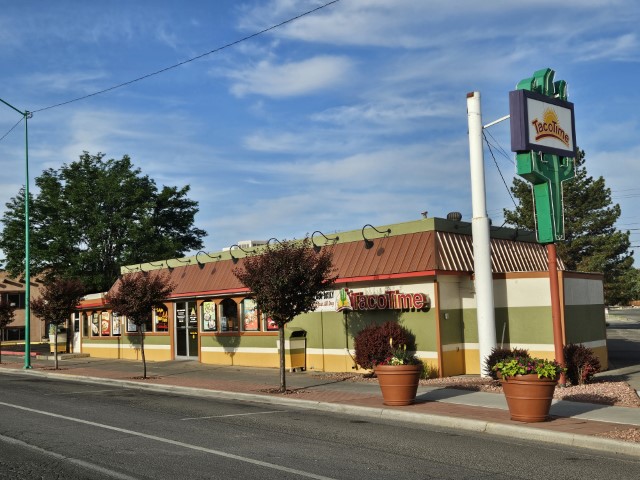
Taco Time Delta is unique for its 45-year legacy of serving high-quality, home-style Mexican cuisine, combined with a strong community presence and loyal customer base that sets it apart from other dining options in the area.
What are the operational hours of Taco Time?
The operational hours of TacoTime are typically from 10:00 AM to 10:00 PM daily, allowing customers to enjoy delicious home-style Mexican cuisine throughout the day.
How does Taco Time ensure food quality?
Taco Time ensures food quality by sourcing fresh ingredients, adhering to strict preparation standards, and conducting regular quality checks throughout the cooking process, guaranteeing that every meal meets their high culinary expectations.
What are the benefits of owning a Taco Time?
The benefits of owning a Taco Time include a well-established brand with a loyal customer base, a proven business model, and the opportunity to serve quality home-style Mexican cuisine in a thriving market.
Why choose Taco Time over other franchises?
Choosing Taco Time over other franchises offers a proven business model, a strong brand reputation, and a loyal customer base, making it an attractive investment in the thriving Mexican cuisine market.
What support does Taco Time offer franchisees?
Taco Time offers comprehensive support to franchisees, including training programs, marketing assistance, operational guidance, and ongoing support to ensure the success of each franchise location.
What is the history of Taco Time in Delta?
The history of Taco Time in Delta highlights its establishment over 45 years ago, becoming a beloved local destination for home-style Mexican cuisine known for quality and community engagement.
How to market a Taco Time franchise effectively?
Marketing a Taco Time franchise effectively involves leveraging local advertising, engaging in community events, utilizing social media, and offering promotions to attract customers while highlighting the brand's commitment to quality Mexican cuisine.
What is the target demographic for Taco Time?
The target demographic for Taco Time includes families, young adults, and individuals seeking convenient, affordable, and quality Mexican cuisine. The restaurant appeals to a wide range of customers who appreciate home-style meals in a casual dining environment.
How does Taco Time manage customer satisfaction?
Taco Time manages customer satisfaction by prioritizing quality ingredients, providing excellent service, and actively seeking feedback to continuously improve their menu and dining experience. This commitment ensures that customers enjoy a consistently positive experience.
What are the startup costs for Taco Time?
The startup costs for TacoTime include the initial franchise fee, equipment, inventory, and leasehold improvements, typically totaling between $300,000 and $600,000 depending on the location and size of the restaurant.
What training does Taco Time provide new owners?
Taco Time provides comprehensive training for new owners, including operational procedures, marketing strategies, and customer service excellence to ensure a successful franchise experience. This training equips owners with the necessary skills to effectively run their restaurant.
How can I increase sales at Taco Time?
Increasing sales at Taco Time can be achieved by enhancing marketing efforts, introducing seasonal promotions, improving customer service, and engaging with the local community through events. Focus on quality and consistency to attract repeat customers.
What are the key responsibilities of a franchise owner?
The key responsibilities of a franchise owner include managing daily operations, ensuring quality customer service, maintaining compliance with franchise standards, overseeing staff training, and handling financial management to promote business growth and profitability.
Are there other Taco Time locations in Colorado?
The existence of other TacoTime locations in Colorado is confirmed. The franchise has multiple outlets across the state, offering the same beloved home-style Mexican cuisine that customers enjoy.
What challenges might I face with Taco Time?
The challenges you might face with Taco Time include managing operational costs, ensuring consistent food quality, navigating franchise regulations, and competing with local dining options. Additionally, maintaining customer satisfaction and adapting to market trends can be demanding.
How does Taco Time handle food sourcing?
Taco Time prioritizes quality by sourcing fresh, local ingredients whenever possible, ensuring that their home-style Mexican cuisine maintains high standards of flavor and authenticity. This commitment supports local farmers and enhances the overall dining experience.
What is the average profit margin for Taco Time?
The average profit margin for Taco Time is typically around 10-15%. This range can vary based on location, management efficiency, and operational costs.
What should I know about Taco Times branding?
Taco Time's branding is centered around its commitment to quality home-style Mexican cuisine, emphasizing freshness and authenticity. The brand is recognized for its vibrant identity and customer-friendly atmosphere, appealing to a diverse audience.
How does Taco Time engage with the local community?
Taco Time engages with the local community by participating in local events, supporting schools and charities, and sourcing ingredients from nearby suppliers, fostering strong relationships and a sense of belonging within the Delta community.
What kind of promotions does Taco Time run?
Taco Time runs a variety of promotions, including seasonal discounts, limited-time menu items, and loyalty programs that reward frequent customers with special offers and deals.
How long is the franchise agreement for Taco Time?
The duration of the franchise agreement for Taco Time is typically 20 years, providing franchisees with a long-term opportunity to operate under the brand while benefiting from its established reputation and support.
What kind of equipment is needed for Taco Time?
The equipment needed for Taco Time includes commercial kitchen appliances such as fryers, grills, ovens, and refrigeration units, along with food preparation tools and serving equipment to ensure efficient operation and quality food service.
How can franchisees connect with Taco Time support?
Franchisees can connect with Taco Time support through the dedicated franchisee portal, where they can access resources, training materials, and contact information for support staff. Additionally, direct communication via phone or email is available for immediate assistance.
What are the marketing materials provided by Taco Time?
The marketing materials provided by TacoTime include promotional collateral, advertising templates, social media content, and guidelines for local marketing efforts to help franchisees effectively promote their restaurant.
How does loyalty program work at Taco Time?
The loyalty program at Taco Time rewards customers for their purchases. Members earn points for every dollar spent, which can be redeemed for discounts and free menu items, enhancing the overall dining experience.
What trends impact Taco Times business model?
The trends impacting TacoTime's business model include the growing demand for fast-casual dining, increased consumer preference for healthier and authentic Mexican cuisine, and the rise of technology in ordering and delivery services.