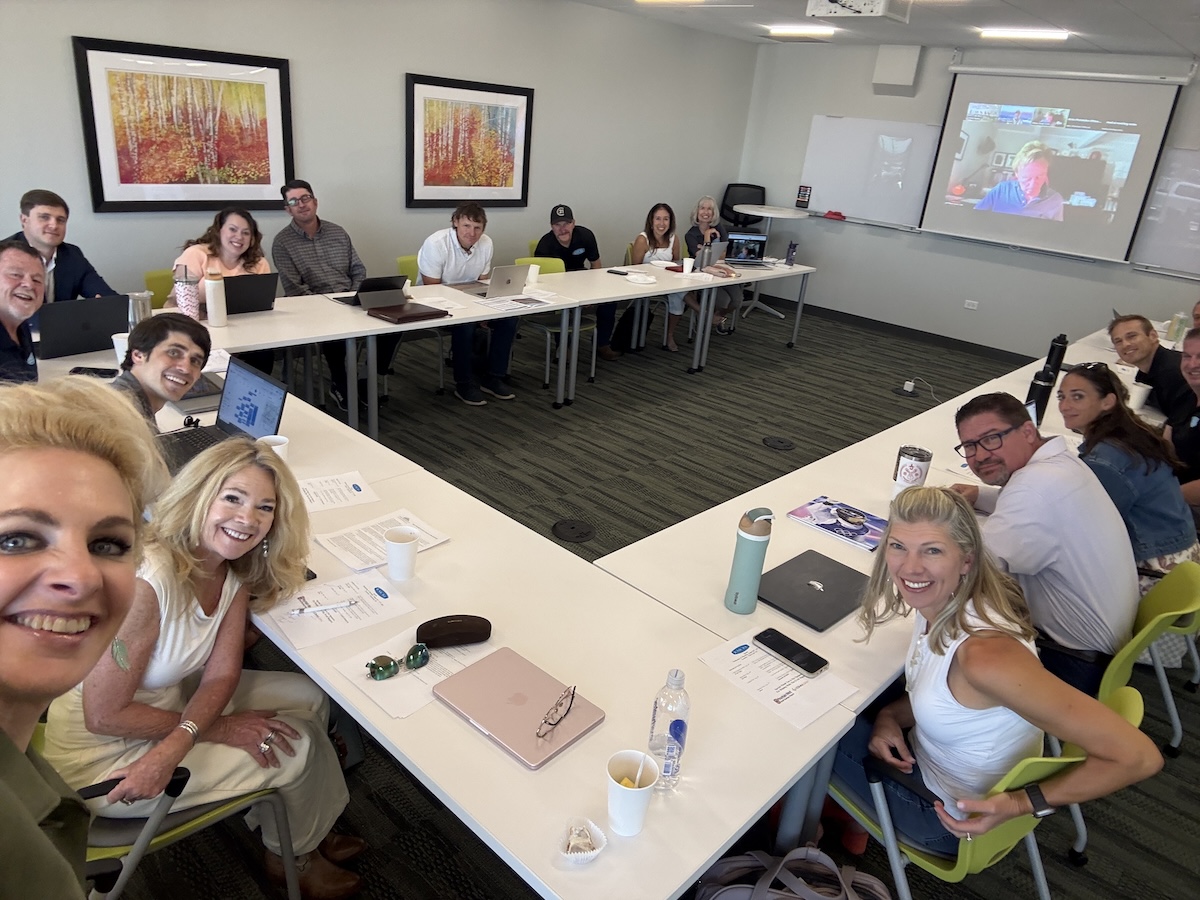
At RMCRE’s August 27 quarterly meeting, the conversation centered on a Colorado commercial real estate market that is uneven—but showing signs of renewed activity. Across mountain, Front Range, and Western Slope markets, participants described a slow first half of 2026 followed by improving momentum in mid-August. Commercial activity was generally viewed as performing better than…
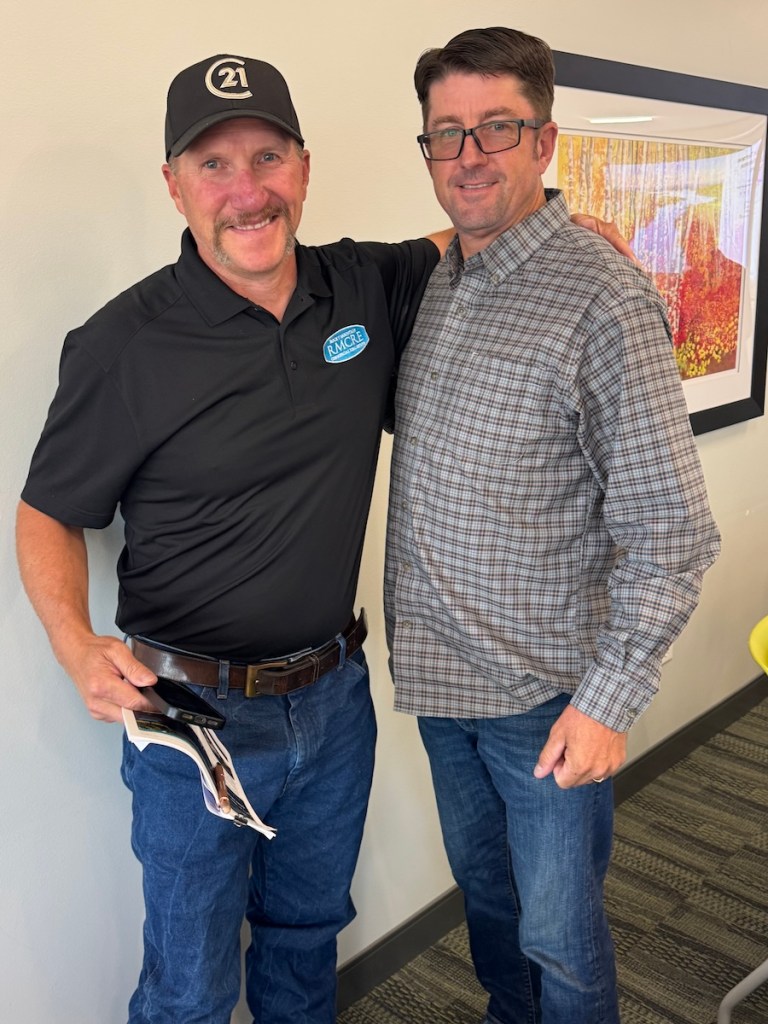
At RMCRE’s August 27 quarterly meeting, the conversation centered on a Colorado commercial real estate market that is uneven—but showing signs of renewed activity. Across mountain, Front Range, and Western Slope markets, participants described a slow first half of 2026 followed by improving momentum in mid-August. Commercial activity was generally viewed as performing better than residential, while vacant land remained the weakest segment.
Commercial markets: selective strength amid uncertainty
Aspen and Snowmass provided one of the clearest examples of commercial resilience. The meeting noted that Aspen-area commercial transaction volume increased from three transactions totaling $13 million in the first half of 2025 to 18 transactions exceeding $100 million in the first half of 2026. Retail rents were discussed in the $275–$325-per-square-foot range, office rents around $100 per square foot, and vacancy as near zero.
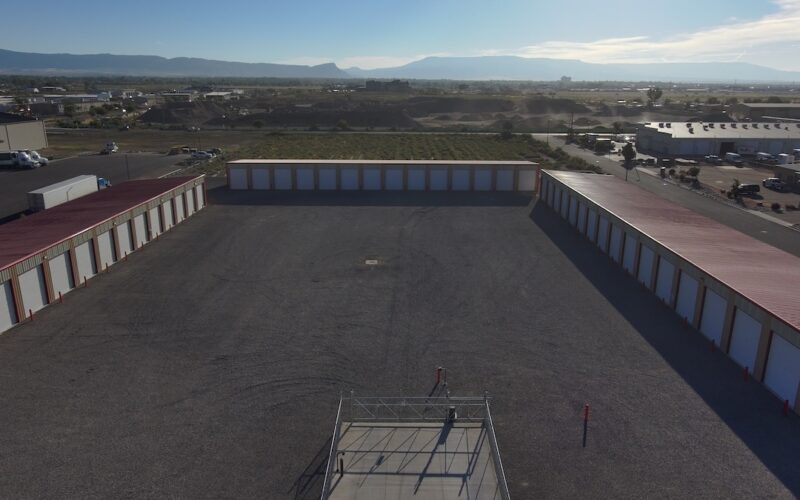
Other mountain markets showed more mixed conditions. In the Roaring Fork Valley, office demand was described as strong, with no new office development despite thousands of new residential units in Glenwood Springs over the past eight years. Industrial and flex space was also active, including a 12,000-square-foot property that was filled by five tenants within a month.
Steamboat Springs saw softer warehouse lease rates and greater residential inventory, while local contractors had 17 of 29 lots under contract in a new industrial subdivision at the Steamboat Airport. In Grand Junction, sales volume was reported higher year over year, although the discussion noted that a small number of off-market transactions accounted for much of that increase.

Capital markets remain a defining constraint
Interest rates and refinancing pressure continue to shape client decisions. The group discussed high loan-to-value positions that can make a sale difficult without requiring an owner to bring cash to closing. In that context, Delaware Statutory Trusts were discussed as a potential 1031 exchange option where a sponsor assumes debt and investors can move into passive, professionally managed real estate.
The meeting also covered the practical mechanics of 1031 exchanges: the 45-day identification period, the 180-day closing deadline, qualified-intermediary requirements, and the need to replace equal or greater value and debt. These rules remain especially relevant for owners facing significant appreciation and potential tax exposure.
Cost segregation: a timely planning tool
Tax planning was another major focus. The discussion covered cost-segregation studies, which reclassify certain building components into shorter depreciation schedules. The group discussed the restoration of 100% bonus depreciation for qualifying five-, seven-, and 15-year assets from 2026, and how cost segregation may be used alongside a 1031 exchange: accelerating deductions during ownership while deferring recapture at disposition through an exchange.
The central message was practical: the value of a study depends on the property, basis, tax position, and cost of the analysis. Investors should evaluate the economics with their tax professionals rather than treat cost segregation as a one-size-fits-all strategy.
Better data for healthcare real estate decisions
RMCRE also reviewed a proprietary healthcare demand system that compares supply and demand by specialty and market. The system draws from approximately 16 databases and was described as live in Denver metro, with Phoenix built out and Dallas in progress.
The platform uses opportunity mapping, drive-time analysis, specialty-level demand, and lead generation from licensing databases. The discussion positioned it as a resource for medical-office acquisition analysis, leasing strategy, tenant representation, and investor presentations. Reach out to Darren Nakos from Recentric Real Estate to learn more.
Looking ahead
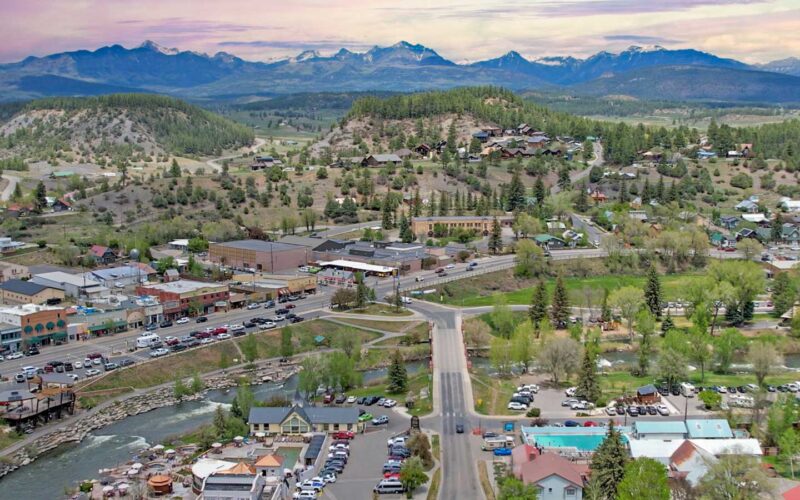
RMCRE’s next quarterly meeting is planned for Pagosa Springs during the first week of November, with the annual meeting scheduled for November 5–6. As Colorado markets continue to diverge by geography and property type, the August meeting reinforced the value of local intelligence, disciplined underwriting, and proactive tax and capital-planning conversations.